
01
Sleep that actually rests you
Falling asleep without the loop. Waking without the same lead in your chest.

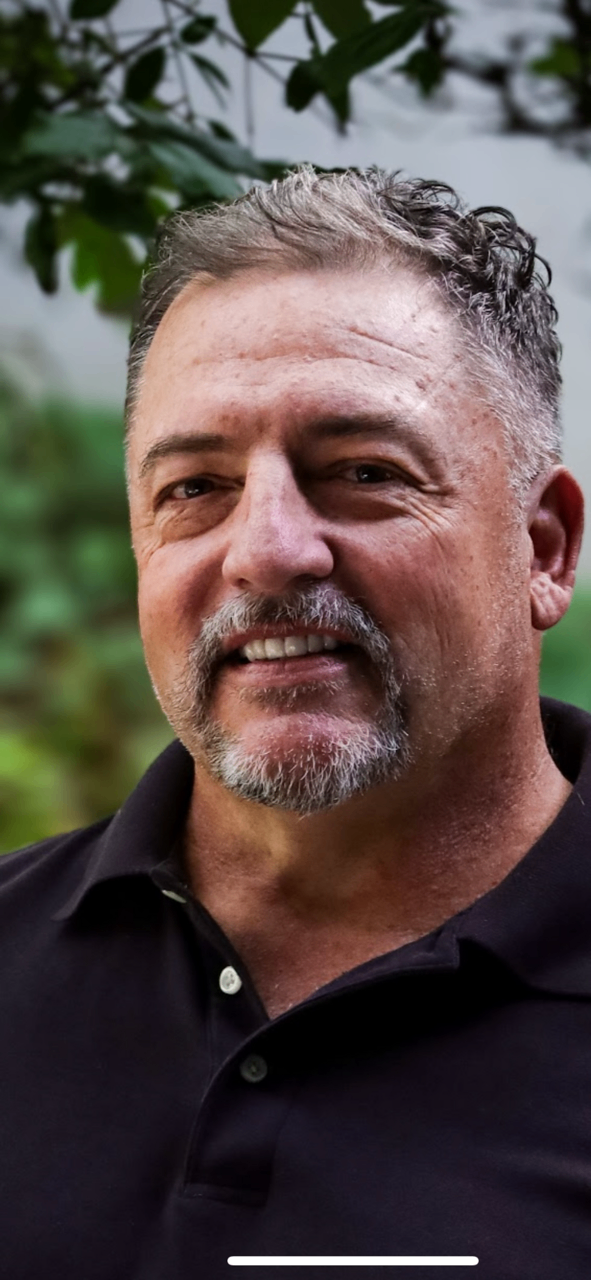
EMDR and ART therapy for first responders and healthcare workers carrying alcohol and drug addiction, PTSD, and the weight of high-stress work — direct, warm, and built for people who don't have time to waste.
If you're sitting with any of this
Any of those land? That's usually where the work starts.
Who I sit with
Shift work, callouts, codes, the things you can't talk about at the dinner table. The body keeps the tally. This is a room where you can set some of it down — with someone who understands the life it came from.
What often brings people in
A specific run or scene that won't let go — replaying it, avoiding it, or going numb around it.
Some of the people I see
And spouses, partners, and family of the above.
What people begin to notice
What clients tend to describe after a few months of consistent work. Individual, and never guaranteed — but worth naming honestly.
Falling asleep without the loop. Waking without the same lead in your chest.
EMDR and ART can take the charge out of specific memories so they stop running you.
Less white-knuckling, more understanding what it was doing for you, and what else can.
Shorter fuse goes longer. Conversations you'd been avoiding start to feel possible.
Some weight is the job. Some isn't. Telling the difference is most of the work.
Not because bad days stop happening. Because you stop bracing for them alone.
A few ways to work together
Counseling is the clinical work in Utah. Coaching and consulting are non-clinical — for people outside Utah, or for clinicians supporting their own practice.
Clinical therapy
Licensed therapy in Utah for addiction, trauma, PTSD, and complex trauma. EMDR, ART, and solution-focused care. Telehealth across Utah, in-person in Midvale.

Coaching program
An 8-week online program for steadier habits around stress, sleep, and the things you reach for after a hard shift. Non-clinical, and available beyond Utah.

For clinicians
For therapists building a practice they can sustain — without quietly burning out the way our clients sometimes do.
How the work happens
These are the approaches I'm trained in. Which one we use — or whether we combine them — depends on you, not a protocol. You don't need to know any of this to start.
Eye Movement Desensitization & Reprocessing
EMDR helps your brain reprocess memories that still feel stuck — the ones that hijack a quiet moment or a night off — so they stop pulling you back in.
Accelerated Resolution Therapy
ART uses guided eye movements and gentle imagery work to soften the charge around a memory. Many people feel real relief in fewer sessions than they expected.
Sometimes the work is less about the past and more about what you want to be different this week — sleep, a hard conversation, the first day back after a bad call. We can start there.
Licensed clinical mental health counselor in Utah (LCMHC #5497978-6009). What outcomes look like will differ for each person.
What to expect

You tell me what's going on. I tell you honestly whether I think I can help, or if someone else might be a better fit. No intake forms before we talk. No pressure to book.
In-person in Midvale or telehealth anywhere in Utah. We move at your pace — some people come in with one specific event to work through, others are unpacking years of accumulated weight. Both are fine.
EMDR and ART mean we're processing memory directly, not just circling it. Between sessions you might have simple assignments — nothing that requires more than a few minutes, and nothing that ignores the reality of shift work.
Some people feel a real shift in a handful of sessions. Others stay longer. We check in regularly about whether you're getting what you came for, and we adjust if you're not.
Individual results vary. Therapy outcomes depend on engagement, history, and many factors outside any single approach.
A few common questions
Individual counseling is $150 per session. I'm out-of-network and provide a superbill you can submit for possible reimbursement.
Yes. We start where you are. The work meets ambivalence with honesty — we don't require you to be sober to begin.
Yes, within HIPAA and Utah law. I'll walk you through the limits at intake so you know exactly what stays in the room.
Both. In-person in Midvale, Utah; telehealth anywhere in Utah.
No commitment. Just a conversation to see if this is the right kind of help — and if I'm the right person to give it.